For sale: baby shoes, never worn.
This six-word, one-sentence story is one of the most cited examples of quality micro fiction, commonly attributed to Ernest Hemingway. While there is no proven evidence that he wrote it, even without a confirmed origin or author, this tiny story commands so much respect in its evocative mastery of the form. If you linger on it, your imagination fills in haunting details, showing the depth of emotion and narrative that can live in so few words.
What is micro fiction?
If you’re unfamiliar with the term, micro fiction can be described as a complete stand-alone story with a beginning, middle and end of no more than 300 words, making it a variation or category of flash fiction (around 1 000 words).
Common categories within micro fiction also include what is called a dribble (55 words exactly), drabble (100 words), double drabble (200 words), trabble (300 words) or a pentadrabble (500 words).
While word counts vary, the magic is in the form’s constraints. In my experience, the classification depends on the context and on how the author, competition organiser or publisher chooses to label it.
Why you should try it
Whether you’re a writer, or someone who simply admires the art of clever storytelling, micro fiction is an effective creative tool. Here’s why:
- It sharpens your storytelling skills (or your appreciation for sharpened storytelling skills). In a few words or lines, the story should evoke emotion, suggest a world, and land a satisfying ending.
- Instant creative gratification. When longer writing projects feel overwhelming or never-ending, writing a micro story is a fast, fulfilling way to flex creative muscles.
- It’s a safe space to explore new genres with low stakes and high freedom.
- The creative constraints spark innovation and sidestep a critical mind. One of my novel ideas began as a fantasy flash story. Reader feedback helped me realise it had the heart of a longer narrative.
Want to explore further?
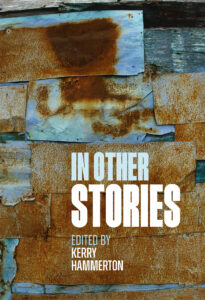
Anthologies such as In Other Stories (Karavan Press, 2024) curated by Kerry Hammerton are a way to track down quality micro fiction. When compiling the anthology, Hammerton said she looked for pieces of writing that told part of our human story in a non-clichéd way.
“The call for submission had a 500-word limit, mid-range for flash fiction, which is one to 1 000 words. Flash is definitely a genre on its own. It is about finding the detail and focusing on that detail to tell a story. There is no space for backstory or elaborate descriptions. Flash borrows ideas and forms from other pieces of writing, for example using poetic language.”
So whether you’re looking for something new to read, or to grow as a writer, micro fiction is a worthwhile investment of your time and energy.
Main photo by Janko Ferlič on Unsplash